Urban Expo
The Urban Expo serves as the exhibition platform of the thirteenth session of the World Urban Forum (WUF13),bringing together countries, cities, businesses, and organisations to showcase innovative solutions and ideas for sustainable, resilient, and inclusive housing and urban development.
Key attractions
Visit the WUF13 Urban Expo to discover practical solutions to urban challenges in housing, transport, energy, waste, and climate change. More than 260 pavilions from 82 countries will be exhibited at the Expo.
Explore the floor plan of the Urban Expo!
UN-Habitat Pavilion – Zone 2, B03
Discover diverse housing experiences unfolding around a shared world - explore the Playground, Practices Hub, and UN-Habitat Arena, and explore what it means to house the world. The UN-Habitat Arena will host official events, and pop-up activities will take place at the Urban Playground.
The Business & Innovation Hub – Zone 4, D26
The Business & Innovation Hub showcases scalable, proven solutions across the housing and urban value chain—from planning and design to construction, digital integration, energy systems, and services. The Hub also features a dedicated Startup Pavilion and interactive discussions held under the theme "Urban Value Chain in Action".
The Urban Library – Zone 4, D01
Explore the latest information and research on urban and housing issues at the Urban library. The library will also feature a publication exhibit featuring the World Cities Report 2026.
The Urban Cinema – Zone 3, C05
The Urban Cinema presents a global selection of short films exploring urban and housing challenges and the cultural dimensions of urbanisation.
Azerbaijan's Pavilion
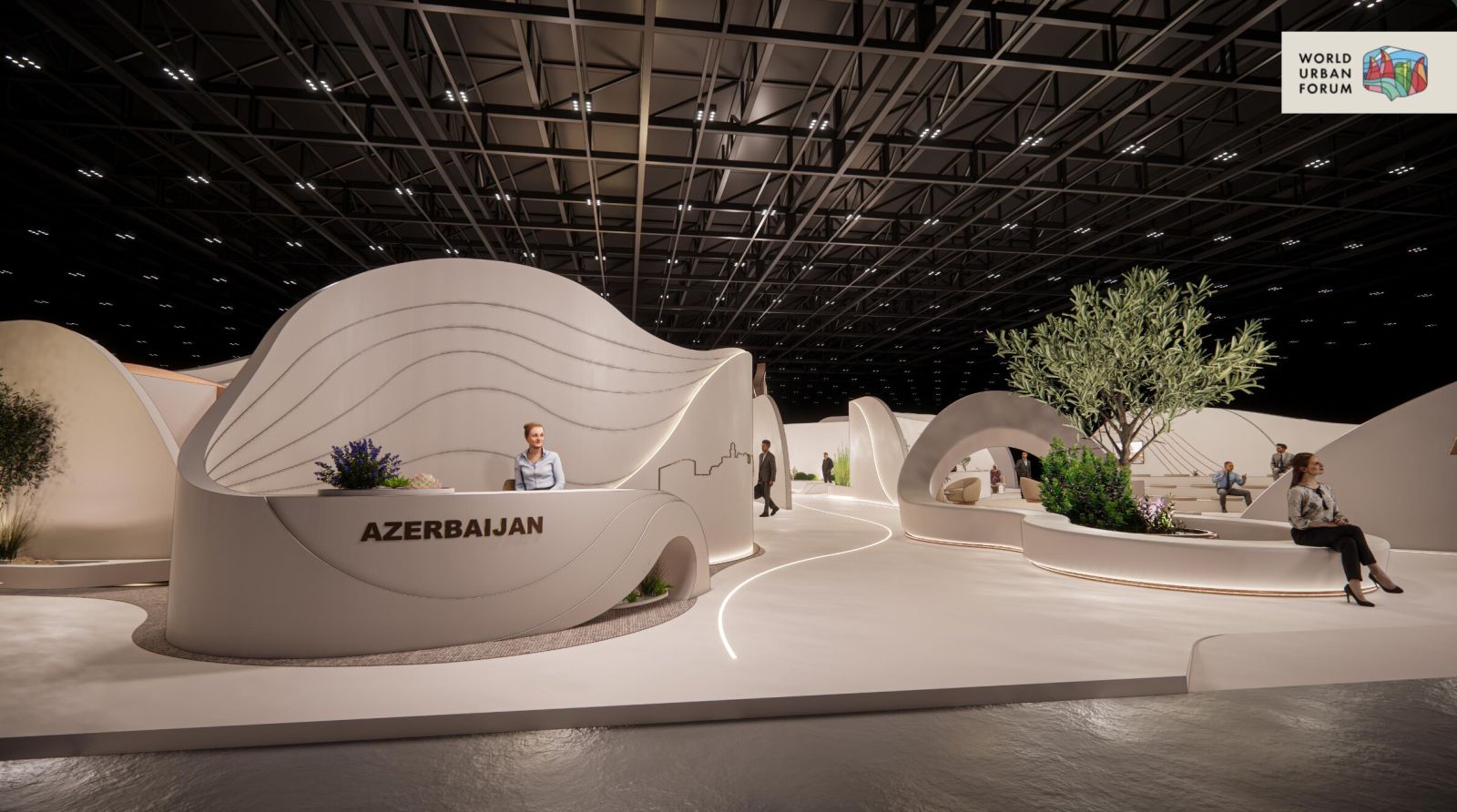
The Azerbaijan Pavilion offers visitors a multifaceted and immersive experience reflecting Azerbaijan’s contemporary urban planning approaches and architectural identity, inspired by the Heydar Aliyev Center designed by world-renowned architect Zaha Hadid.
The gallery space within the pavilion showcases Azerbaijan’s urban development projects, environmental initiatives, sustainable development priorities, and cultural heritage. The exhibition highlights the country’s urban planning strategies, ecological transformation efforts and approaches to preserving historical and cultural heritage within a unified presentation concept.
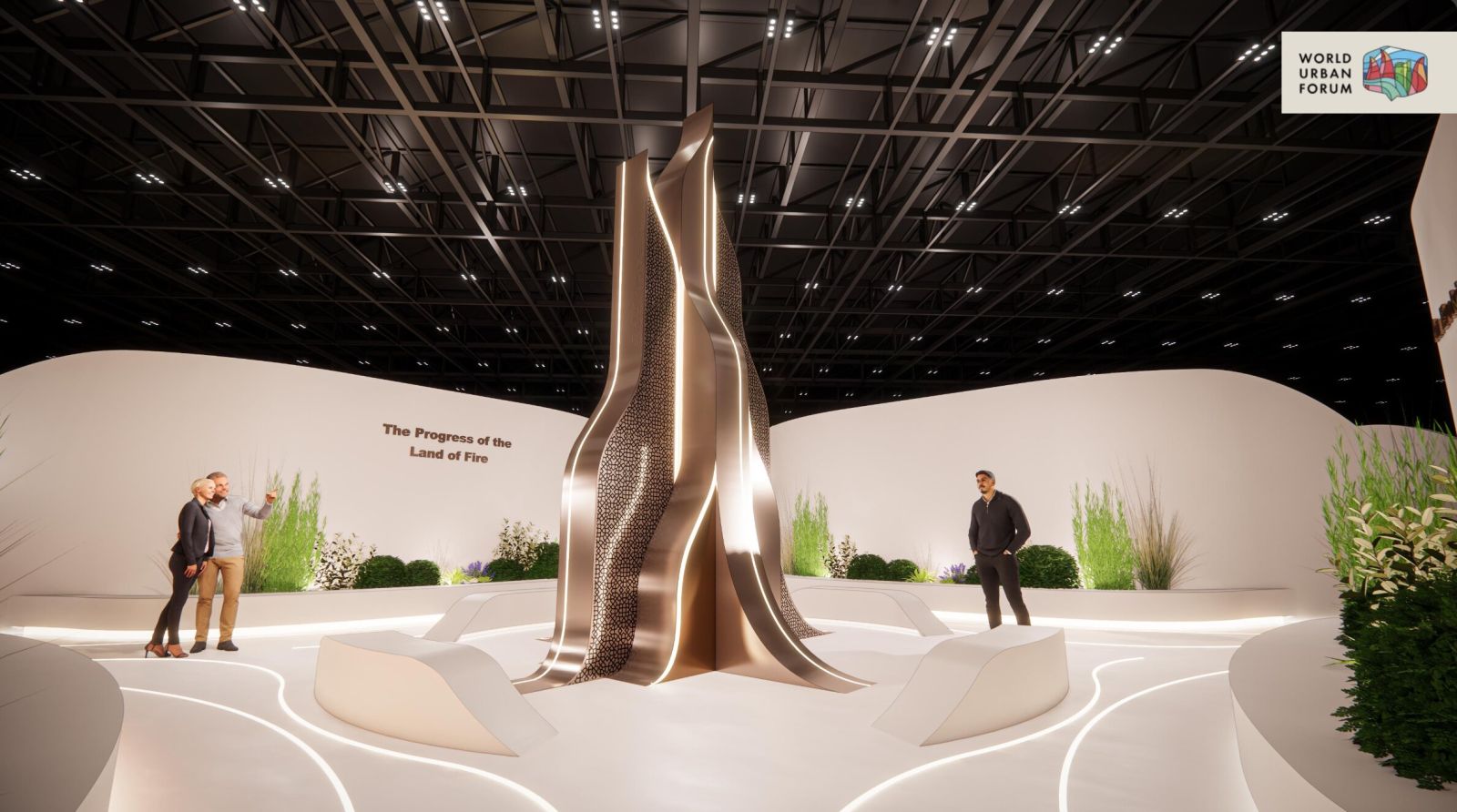
The central element of the pavilion is a fire-inspired tower symbolising Azerbaijan’s national identity, as well as the country’s urban development vision and transformation processes.
The spatial concept built around the tower brings together Baku, Garabagh, and contemporary urban planning approaches within a unified narrative, reflecting Azerbaijan’s past, present, and vision for the future.
The pavilion features dedicated spaces for networking, informal discussions and the exchange of ideas among participants, alongside areas designed for conferences, presentations, official meetings and bilateral discussions.
Visitors can also explore a cinema corner, a tourism zone, an interactive virtual reality experience, thematic masterclasses, and a dedicated space showcasing Azerbaijani culture and gastronomy.