
MENU
HOUSING THE WORLD SAFE AND RESILIENT CITIES AND COMMUNITIES

Art & Museums

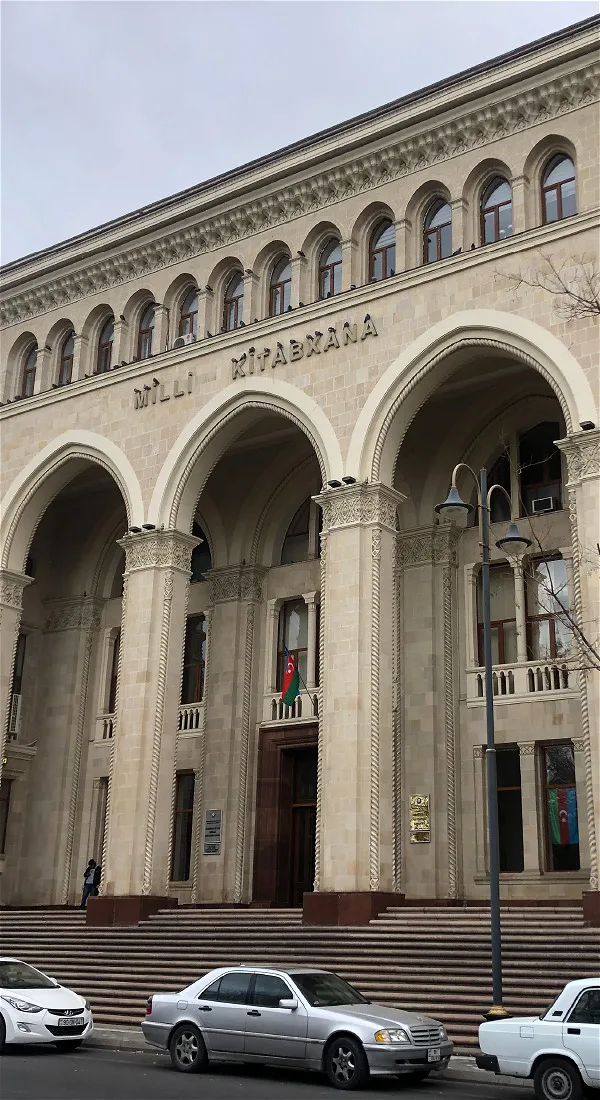
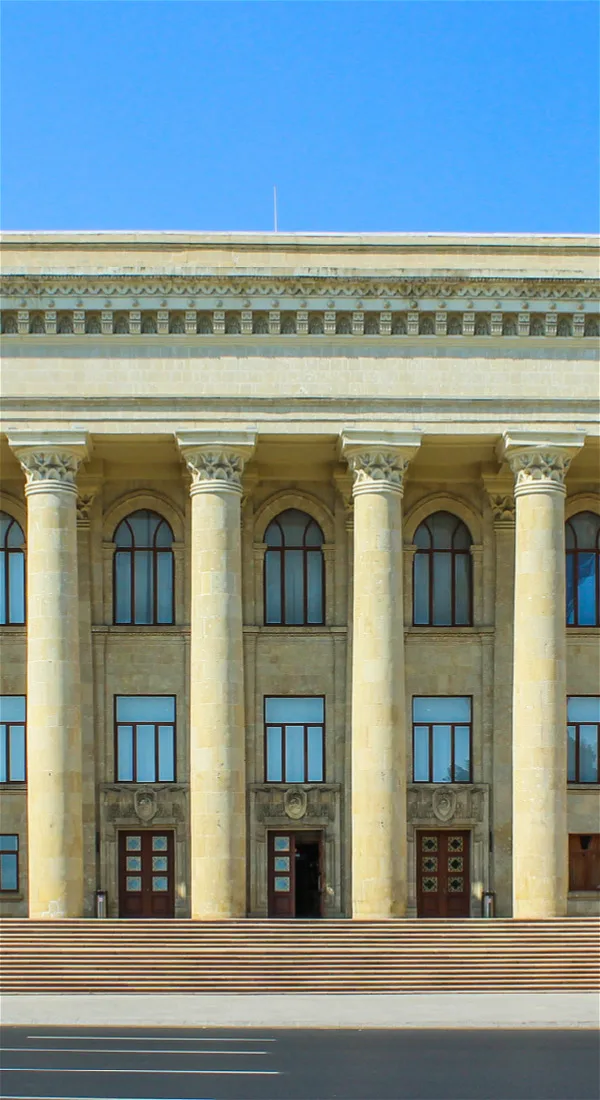
Azerbaijan National Library

Azerbaijan National Library

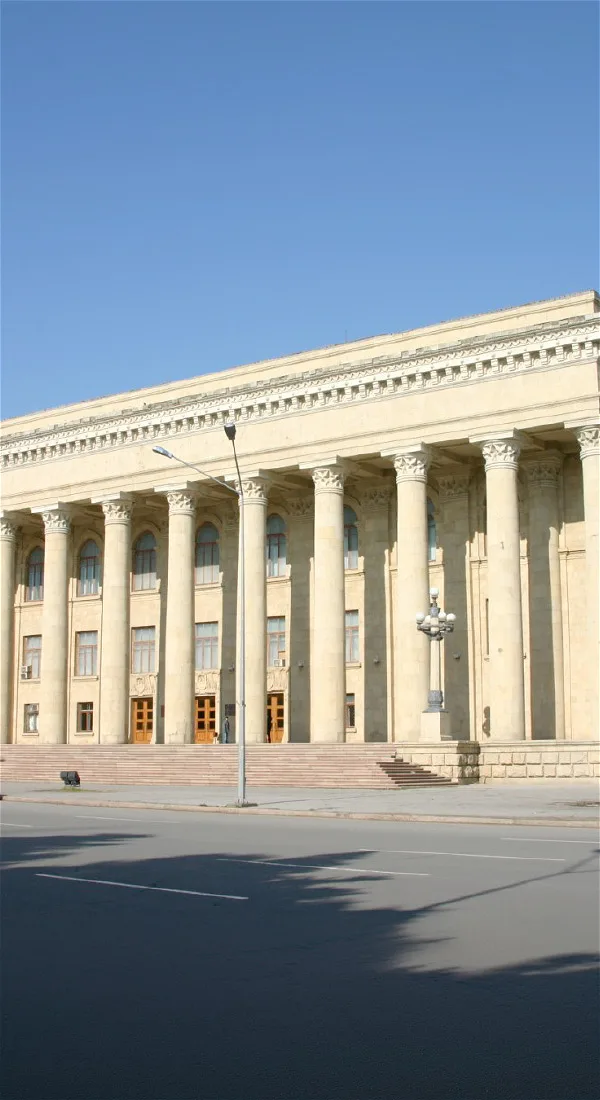
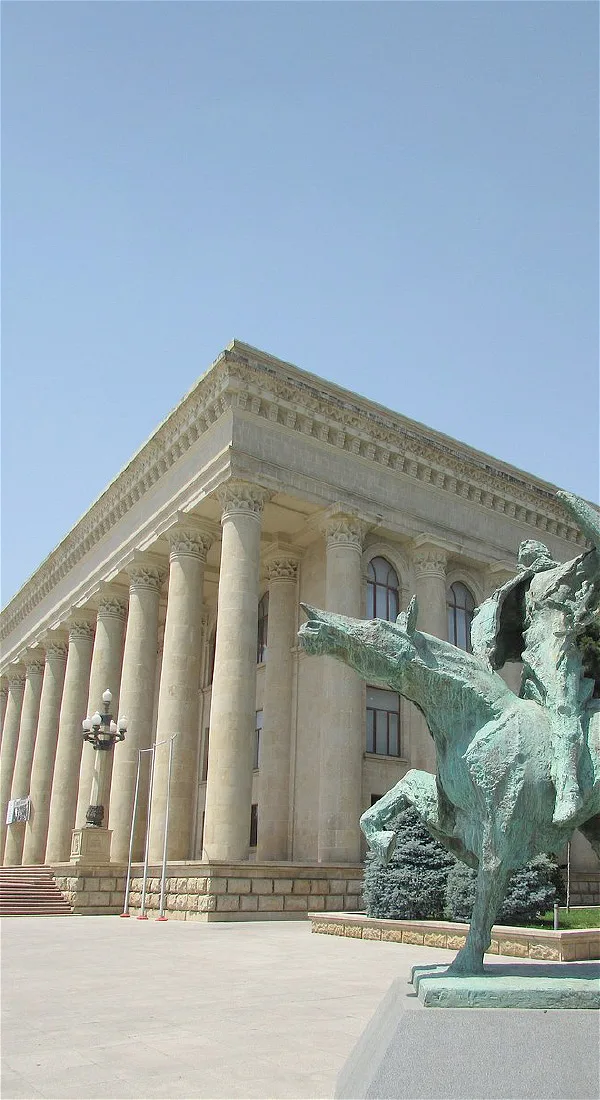
The official opening of the library took place on May 23, 1923. In 1939, the library was named after the prominent thinker, playwright, and educator Mirza Fatali Akhundzade.

The rich collection includes the earliest examples of Azerbaijani book culture, works printed using lithographic methods, the first printed books, and samples of 19th-century periodicals. The Rare Books and Library Museum depatrament preserves some of the oldest books published in nearly 20 languages, fundamental research works in various fields of science, valuable collections of posters and maps, as well as reference literature. Along with publications in the Azerbaijani language, the library also houses an extensive collection of literature published in various foreign languages.

The library also preserves manuscript scores of classical Azerbaijani composers.

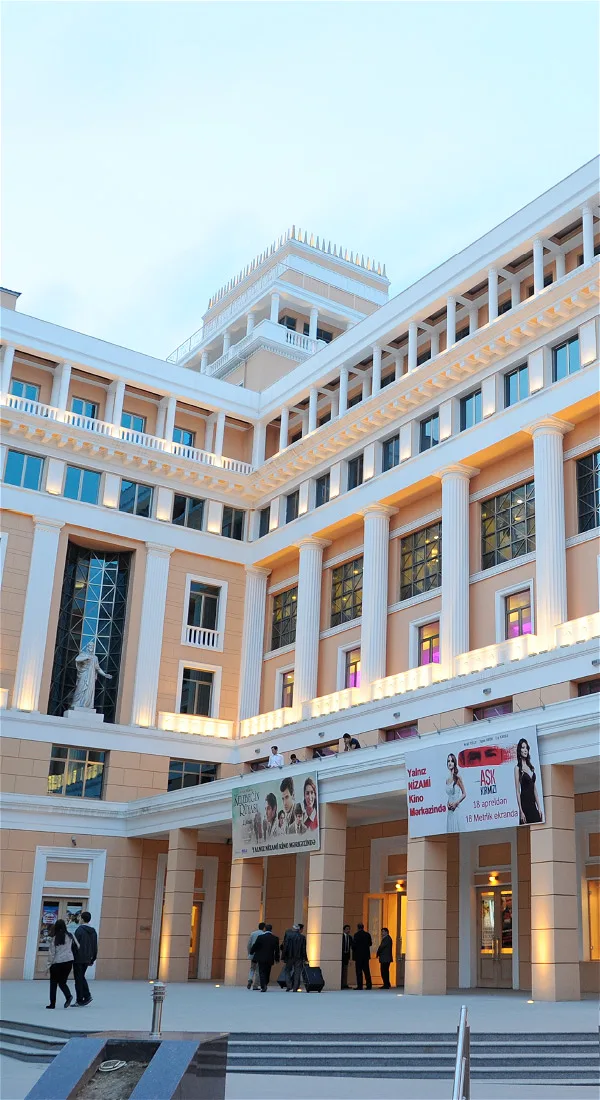
Nizami Cinema Center

Nizami Cinema Center

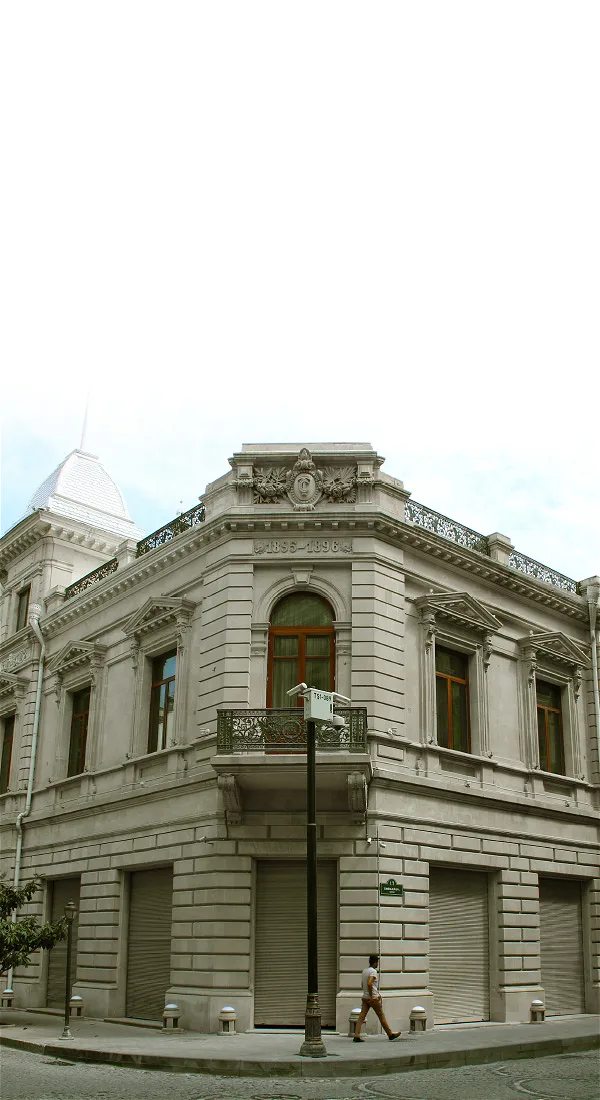
The Nizami Cinema Center is one of the most well-known cinema complexes in Baku. The cinema center is named after the prominent Azerbaijani poet Nizami Ganjavi. The building was constructed in 1934 based on the design of architects Sadiq Dadashov and Mikayil Huseynov.

Both local and foreign films are screened at the Nizami Cinema Center. In addition, various film festivals, presentations, cultural events, and special cinema-related projects are organized here.

Located in the center of the city, this cinema complex is a comfortable and attractive leisure destination for both local residents and tourists. With its modern interior and extensive film program, the Nizami Cinema Center is considered an important part of Baku’s cinematic culture. A statue of Nizami Ganjavi is installed on the facade of the cinema center.

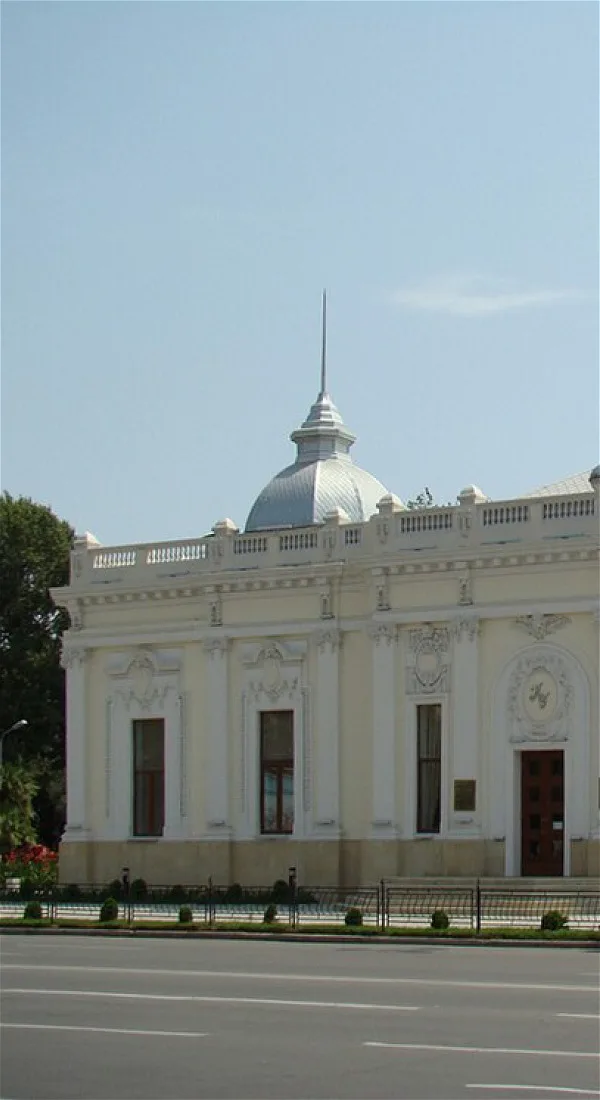
Azerbaijan State Puppet Theatre

Azerbaijan State Puppet Theatre

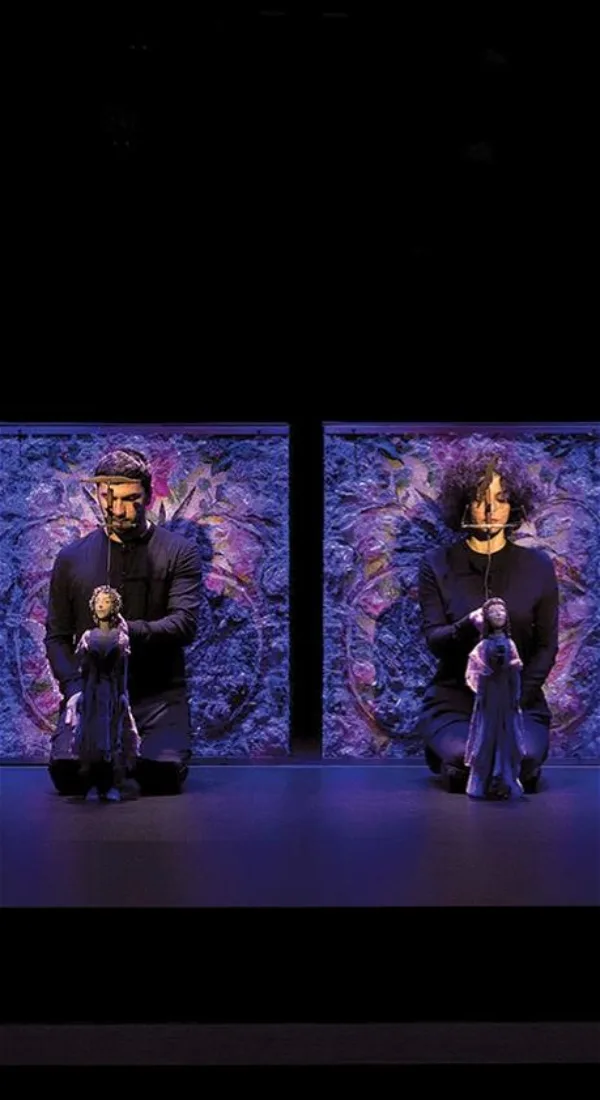
The history of professional puppet theatre in Azerbaijan dates back to 1931. The theatre presented its first performance titled “Circus” in April 1932.

The building where the theatre is located was put into operation in June 1910 and functioned as a cinema called “Phenomenon.” It is considered the first cinematograph building constructed in Baku. The building was designed in the Renaissance style based on the project of the Polish architect Józef Płoszko.

It should also be noted that the theatre’s current repertoire includes 46 performances, four of which are intended for adult audiences. Performances are staged every week on Fridays, Saturdays, and Sundays.

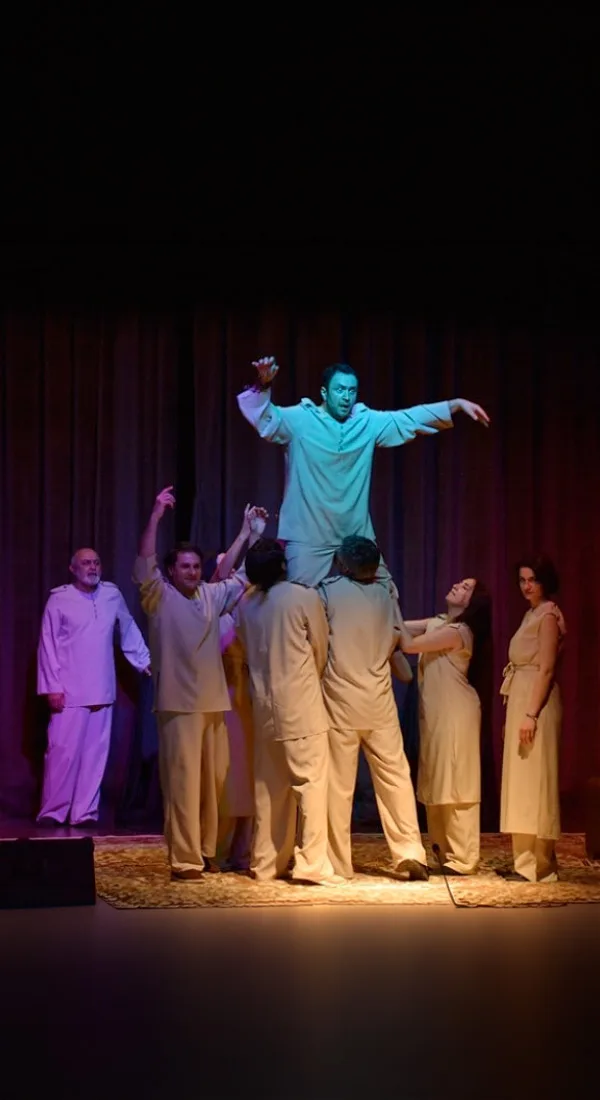
Azerbaijan State Yug Theatre

Azerbaijan State Yug Theatre

The Yug Theatre was established on October 18, 1989. Since its establishment, more than 150 performances have been staged at the theater. Over the years, the theatre has produced performances based on the works of classical poets ansd wrtiers, as well as contemporary Azerbaijani writers.

The Yug State Theatre has successfully participated in numerous international and national festivals. Operating on the basis of the “Psychosoph” theatre poetics, the theatre regularly takes part in various artistic projects.

Azerbaijan State Pantomime Theatre

Azerbaijan State Pantomime Theatre

Azerbaijan State Pantomime Theatre The Azerbaijan State Pantomime Theatre is the first pantomime theatre in the history of Azerbaijani theatre. One of the main advantages of this type of theatre is its universal language, which allows performances to be understood without any linguistic barriers.

The founder of pantomime theatre in Azerbaijan is Bakhtiyar Khani-zade. During its 33 years of activity, 64 performances have been staged at the Azerbaijan State Pantomime Theatre. The theatre has achieved success in dozens of theatre festivals and continues to carry out its activities at a high level.

Azerbaijan State National Theatre For Young Spectators

Azerbaijan State National Theatre For Young Spectators

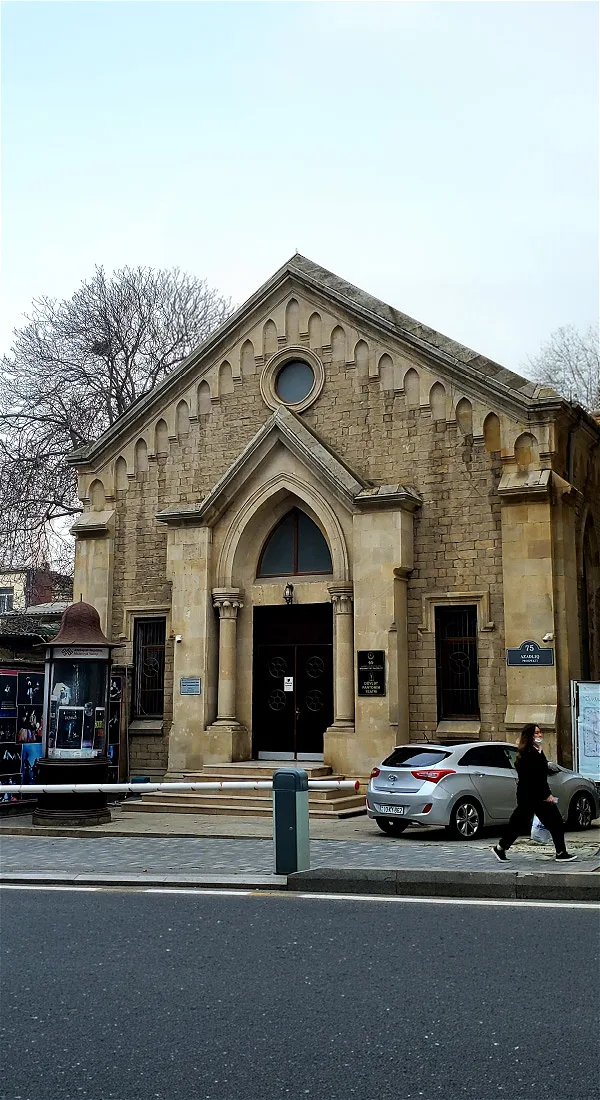
The Azerbaijan State National Theatre for Young Spectators was established in 1928 on the basis of amateur children’s drama clubs.

Throughout its 98 years of activity, the theatre has provided meaningful service to children and adolescents, playing an important role in educating the younger generation in the spirit of moral values, kindness, and patriotism. The theatre’s current repertoire includes 65 performances.

Azerbaijan State Academic National Drama Theatre

Azerbaijan State Academic National Drama Theatre

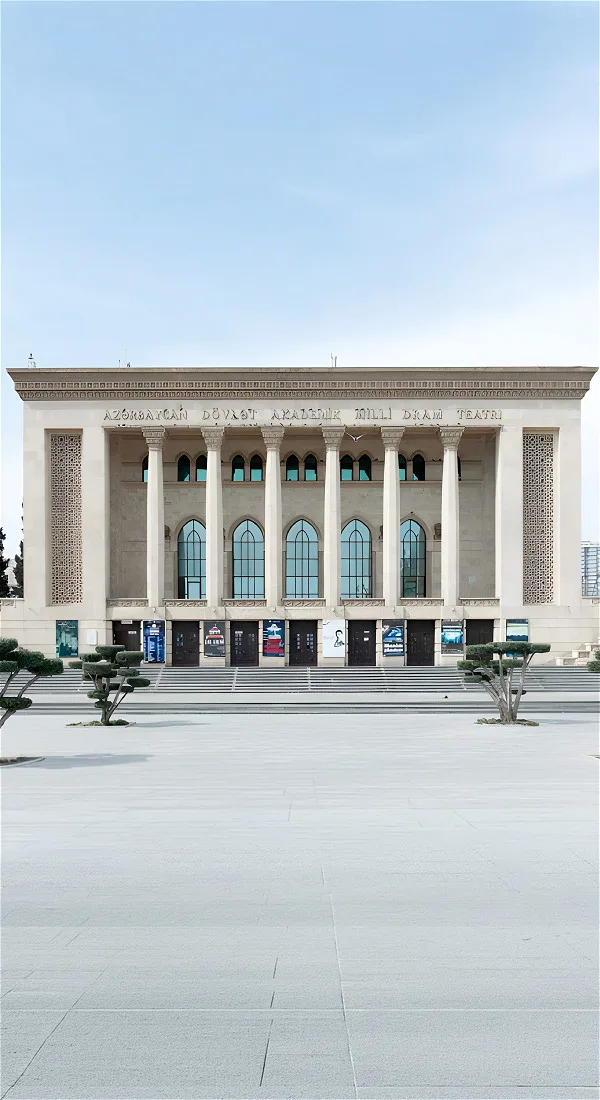
On March 10, 1873, the foundation of the professional national theatre was laid with the staging of the play based on M.F. Akhundzade’s comedy The Adventures of the Vizier of the Lankaran Khanate, performed by theatre enthusiasts of the Baku Gymnasium School. The history of the Academic National Drama Theatre begins with the history of Azerbaijani theatre itself.

The construction of the current building began on August 27, 1954, and it was completed and put into operation after six years.

Located in the central part of Baku, the Azerbaijan State Academic National Drama Theatre continues to operate today as one of the most important cultural institutions of the country and is considered an attractive cultural venue for both local audiences and tourists.

Azerbaijan State Academic Musical Theatre

Azerbaijan State Academic Musical Theatre

The national Azerbaijani musical comedy genre emerged at the beginning of the 20th century. As with opera, the founder of this genre was Uzeyir Hajibeyli. The musical comedy Husband and Wife, written by him in 1909, was first staged in Baku on May 24, 1910, in the circus building of the Nikitin brothers. It was with this performance that the foundation of the Azerbaijan Musical Comedy Theatre was laid. Today the theatre’s repertoire includes approximately 50 performances.

The Azerbaijan State Academic Musical Theatre, founded with the staging of the operetta “Husband and Wife” by the great composer Uzeyir Hajibeyli in 1910 and having since passed through a rich creative path, continues its activities in the first theatre building constructed in Baku in 1883 at the initiative of the prominent philanthropist Haji Zeynalabdin Taghiyev. The design and construction of the building were supervised by the engineer-architect Lemkul.

Between 1922 and 1960, the building housed the Azerbaijan State Academic National Drama Theatre. In 1988, due to the risk of collapse, the building was demolished and the construction of a new one began. The National Leader Heydar Aliyev, who paid special attention and care to the completion and commissioning of the new building, also attended the official opening ceremony held on October 10, 1998.

According to the Decree of the President of the Republic of Azerbaijan, Ilham Aliyev, dated November 25, 2010, the theatre underwent major renovation and restoration.

Azerbaijan State Song Theatre

Azerbaijan State Song Theatre

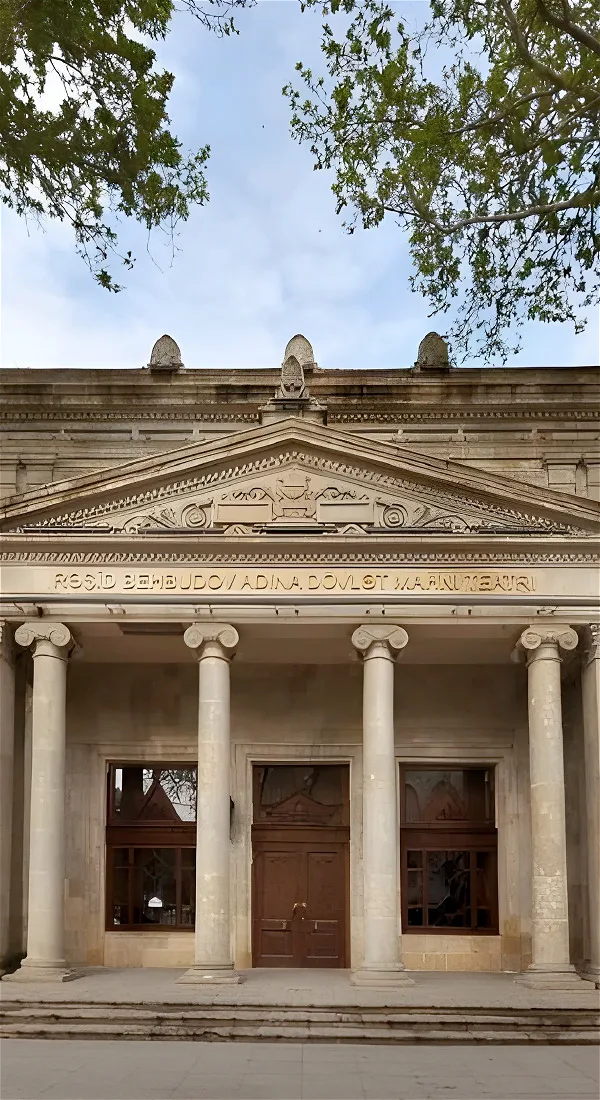
The Azerbaijan State Song Theatre named after Rashid Behbudov was established in 1968 on the initiative of Rashid Behbudov and soon became one of the important stages for the promotion of Azerbaijani music. Since its establishment, the theatre has served the development of national music and the presentation of Azerbaijani song art to a wide audience.

The theatre building is located in the central part of Baku and is considered one of the venues that play an important role in the cultural life of the city. Concerts, musical programs, and various events held here add a unique character to the cultural life of the capital.

International Mugham Center

International Mugham Center

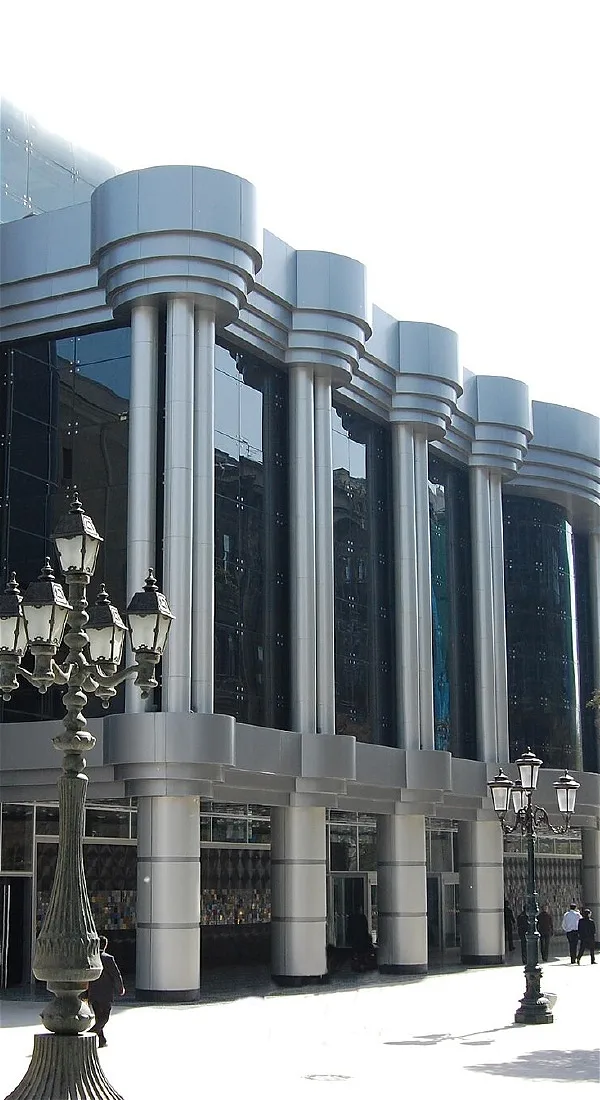
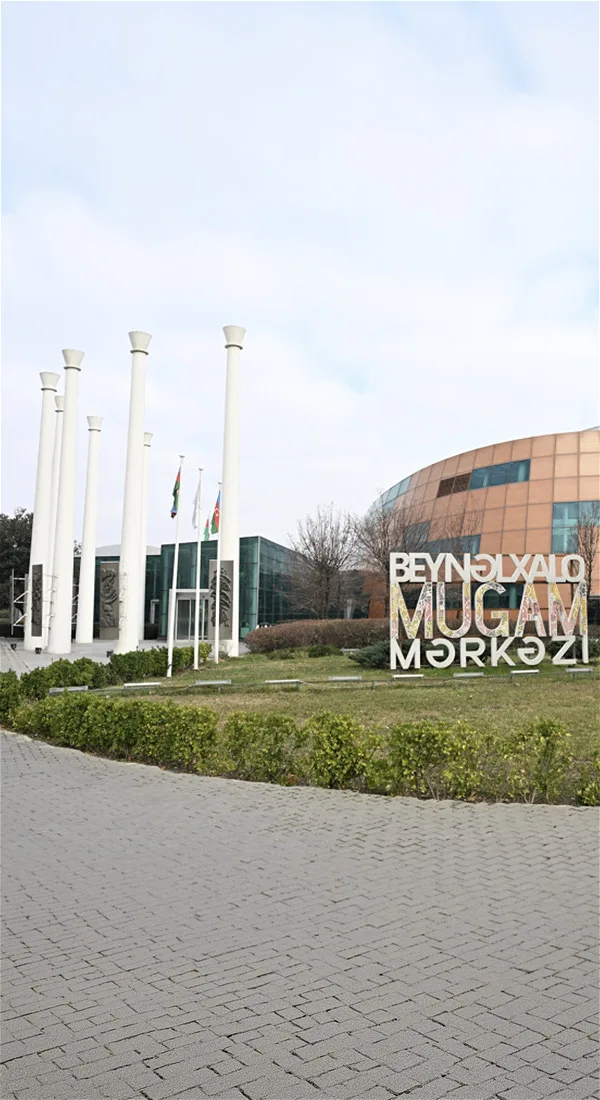
Within the framework of projects aimed at preserving national and spiritual values and promoting Azerbaijani culture, the International Mugham Center was established in Baku in 2005 in order to promote Azerbaijani mugham widely around the world.

The building of the center stands out for its distinctive architectural style. Its design was inspired by the form of the tar, one of the oldest musical instruments of Azerbaijani music. The combination of modern architectural elements with national motifs gives the building a special beauty and uniqueness. For this reason, the International Mugham Center is recognized not only as a music venue but also as one of the notable examples of modern architecture in Baku.

Currently, two creative ensembles operate at the center. Concerts of renowned mugham masters, mugham evenings, international conferences, and various festivals are organized at the center.

Azerbaijan State Academic Philharmonic Hall

Azerbaijan State Academic Philharmonic Hall

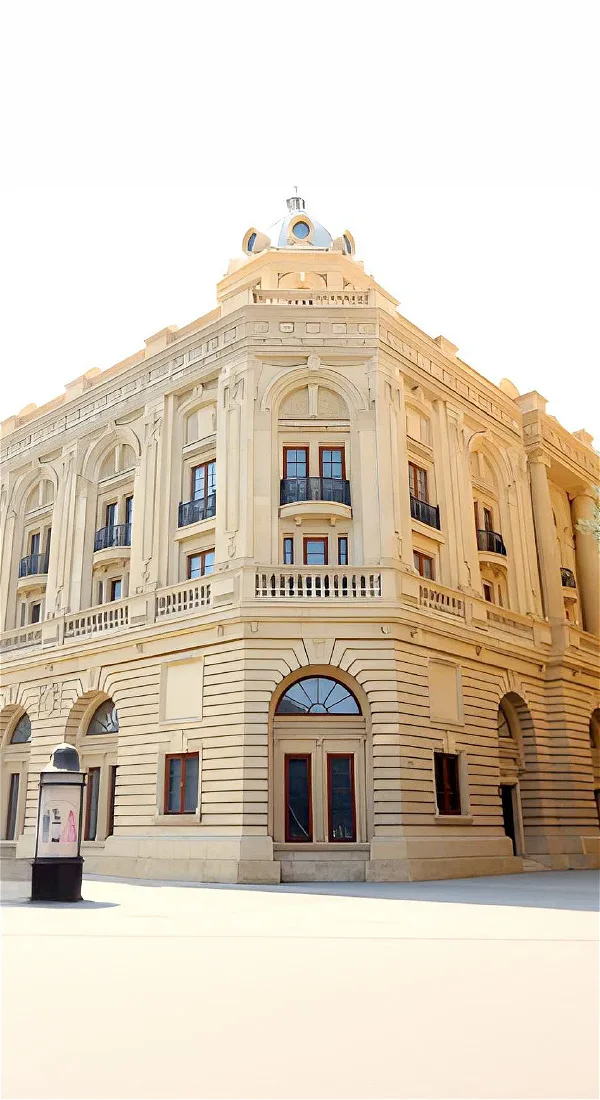
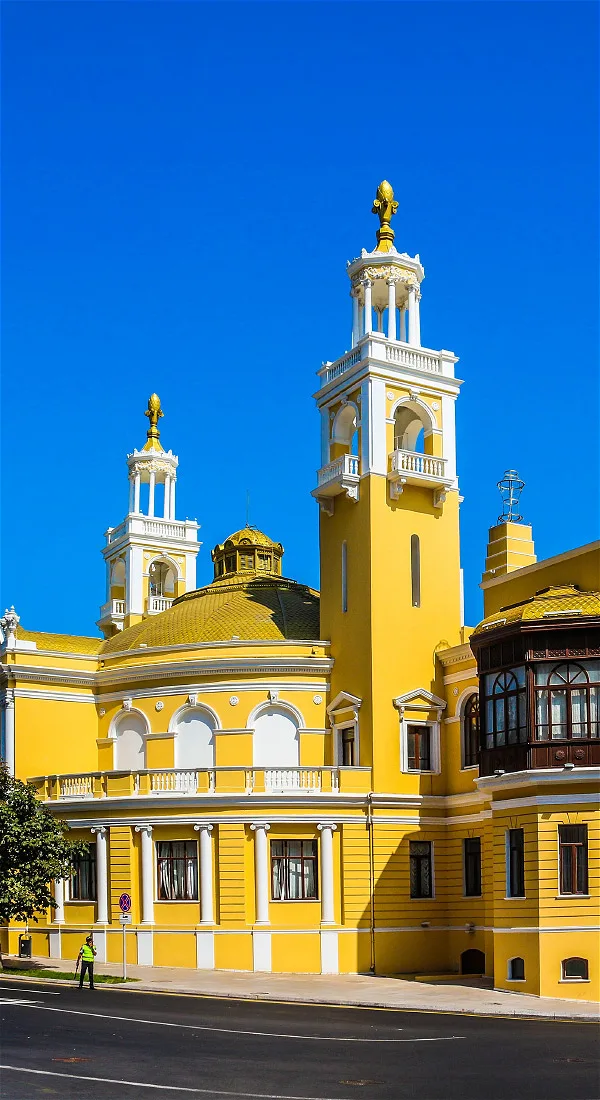
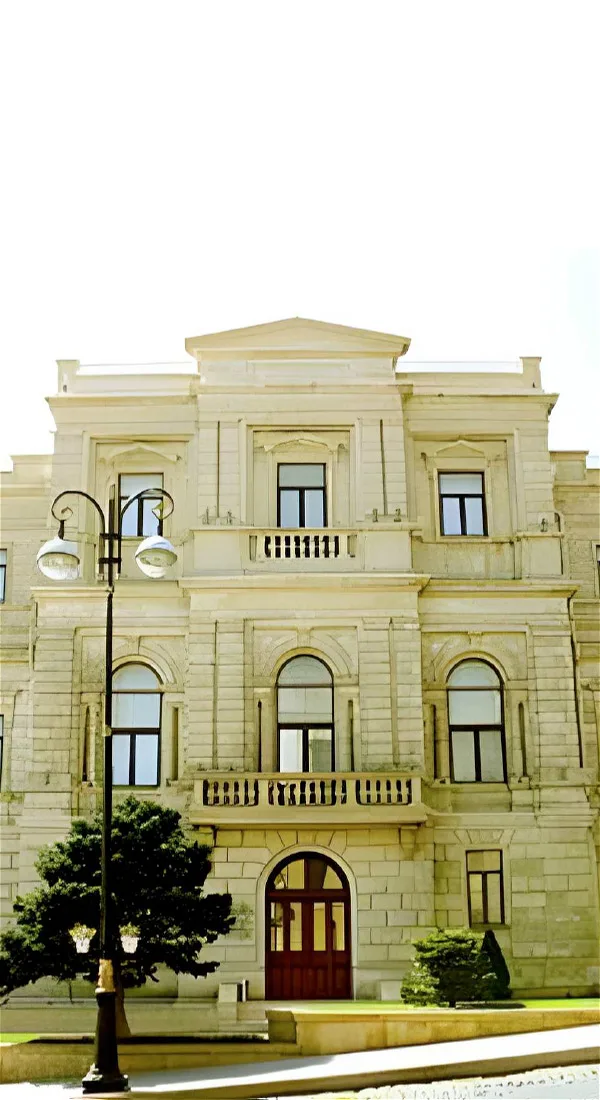
The building of the Azerbaijan State Academic Philharmonic Hall named after Muslim Magomayev was constructed between 1910 and 1912 as the “Summer Center for Public Gatherings.” From 1920 onward, various ensembles, orchestras, and music lovers gathered in this building. On May 25, 1936, the Philharmonic officially began its activities in Azerbaijan.

The Azerbaijan State Academic Philharmonic Hall plays an important role in the promotion and development of classical music. Along with its own ensembles, the Philharmonic regularly organizes concert programs featuring renowned soloists from different countries.

Azerbaijan State Academic Opera And Ballet Theatre

Azerbaijan State Academic Opera And Ballet Theatre

The Azerbaijan State Academic Opera and Ballet Theatre is one of the main cultural centers of the country and plays an important role in the development of national and classical opera and ballet art.

The theatre building was constructed in 1910. Azerbaijan is the first country in the East where the opera genre was introduced. Currently in its 116th season, the repertoire of the Opera and Ballet Theatre is rich and diverse: nearly 40 national and classical operas, as well as more than 35 ballet performances, are staged here. 

Currently, extensive renovation works are being carried out at the theatre, and performances are being presented at the Heydar Aliyev Palace as well as at the Opera Studio of the Uzeyir Hajibeyli Baku Music Academy.

Heydar Aliyev Palace

Heydar Aliyev Palace

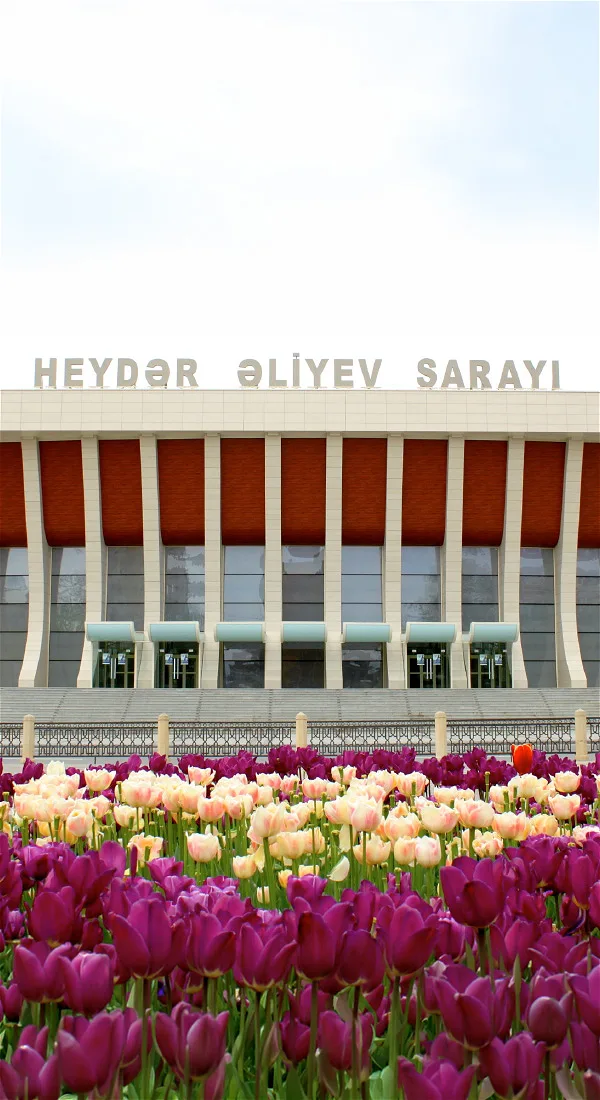
Heydar Aliyev Palace, named after the National Leader of the Azerbaijani people Heydar Aliyev, holds an important place in the socio-political life of the country. The palace was opened to the public in 1972. As one of the most recognizable architectural landmarks of the capital, Heydar Aliyev Palace functions as a unique venue where the most prestigious state events are held.

Heydar Aliyev Palace is one of the ideal places to experience the cultural life of Baku. Through the events held here, visitors to the city have the opportunity to witness Azerbaijani music, art, and stage culture live. Its location in the central part of the city also makes the palace easily accessible for tourists.

Azerbaijan State Theatre Museum

Azerbaijan State Theatre Museum

The Azerbaijan State Theatre Museum named after Jafar Jabbarli was established in 1934. The museum’s collection contains more than 140,000 exhibits.

It preserves programs and posters of the first theatrical performances in various genres from the establishment of professional theatre in Azerbaijan to the present day, as well as manuscripts, actor’s role notebooks, directors’ explanations, memorial items, photographs and negatives from different performances, costume and set design sketches for stage productions, models reflecting stage designs, costumes created for theatrical characters, and various stage props.

Azerbaijan Independence Museum

Azerbaijan Independence Museum

The Azerbaijan Independence Museum is the first state museum established on a public basis in the building of the Parliament in 1919. In 1991, the Azerbaijan Independence Museum was re-established as the cultural successor of the former Independence Museum. 

It’s a political and historical museum reflecting the history of Azerbaijan’s statehood, housing more than 22,000 exhibits. The museum’s exposition consists of six halls.

These halls display the state symbols of the Republic of Azerbaijan, as well as exhibits dedicated to the period of the khanates, the events that took place in Northern and Southern Azerbaijan at the end of the 19th and the beginning of the 20th centuries, the years of repression and the Second World War, the Karabakh War, the tragedy of January 20, and the period of independence of the Republic.

Azerbaijan State Museum Of Musical Culture

Azerbaijan State Museum Of Musical Culture

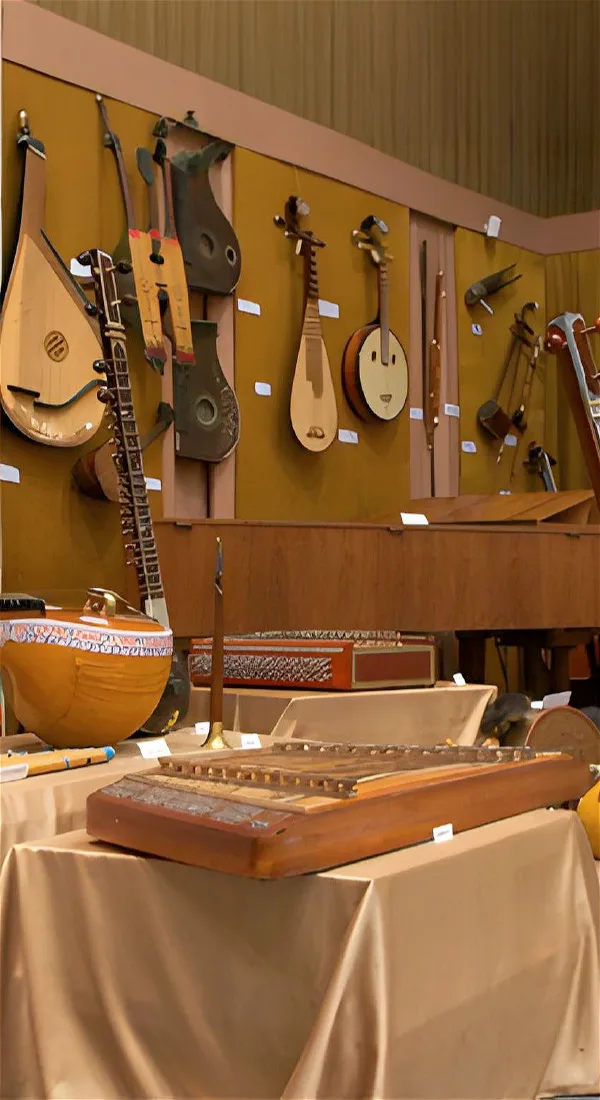
The Azerbaijan State Museum of Musical Culture was established in 1967. The main purpose and mission of the museum are the collection, preservation, research, and promotion of materials related to the history of Azerbaijani music.

More than 63,000 exhibits are preserved in the museum’s collection. Among them are national musical instruments such as the tar, kamancha, saz, gaval, gosha-naghara, zurna, and ney, as well as unusual instruments including the asa-tar and asa-saz. The museum also houses restored Eastern musical instruments that were widely used in the Middle Ages and have been returned to musical practice. Musical instruments of various peoples of the world are presented in a special collection.

The museum preserves original manuscripts of musical scores, letters, personal belongings, posters, programs, photographs, works of visual art, sheet music, books, and other exhibits belonging to prominent performers of mugham and ashig art. It also holds materials related to leading representatives of the national professional composition school including Uzeyir Hajibeyli, Gara Garayev and Fikret Amirov, as well as figures such as Bulbul, the founder of the Azerbaijani vocal school, Shovkat Mammadova, and the first Azerbaijani ballerina, Gamar Almaszade.

Museum Center

Museum Center

The Museum Center is one of the important cultural and exhibition complexes located in Baku. The building was constructed in 1961.

The center hosts various museums and exhibition halls, art galleries, as well as conference and event halls. Exhibitions reflecting examples of national history, art, and contemporary culture, along with international projects, presentations, and scientific events, are organized here.

The Museum Center is also known as a multifunctional cultural venue where concerts, creative evenings, book presentations, and other cultural programs are held. This center plays a significant role in the cultural life of the capital and is one of the places that attracts interest from both local residents and tourists.

Several museums operate within the Museum Center. These include the Azerbaijan State Theatre Museum named after Jafar Jabbarli, the Azerbaijan State Museum of the History of Religion, the Azerbaijan Independence Museum, as well as the Exhibition Gallery of the Museum Center.

Heydar Aliyev Center

Heydar Aliyev Center

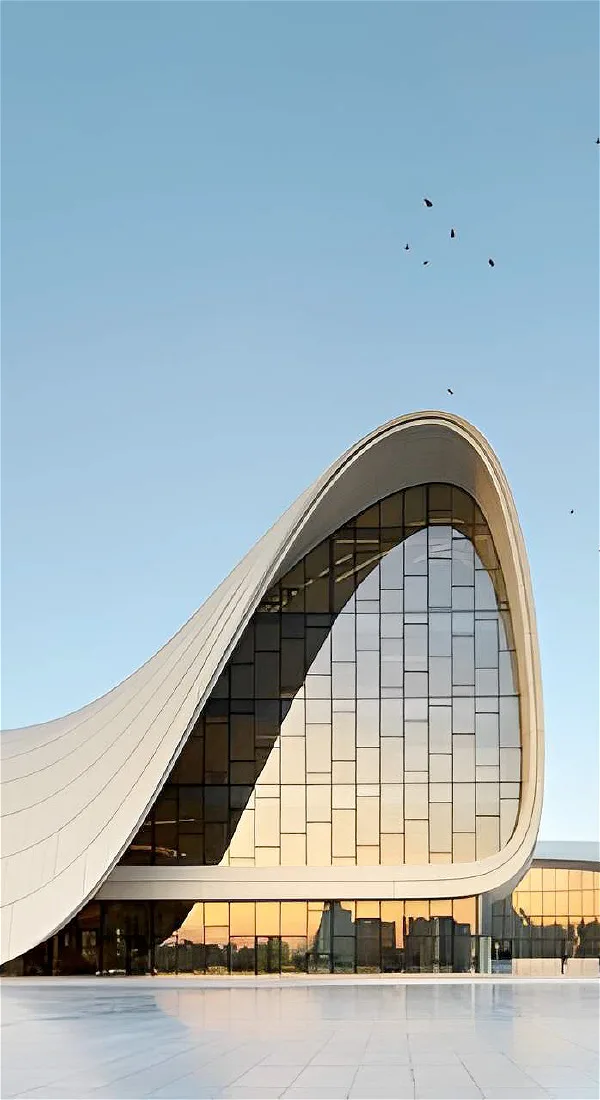
The Heydar Aliyev Center is one of the most magnificent and modern architectural landmarks of Baku. The center is dedicated to the memory of the National Leader of the Azerbaijani people, Heydar Aliyev, and holds an important place in the cultural life of the country.

The building of the center was designed by the renowned architect Zaha Hadid. Its wave-like and flowing form is considered one of the most remarkable examples of modern architecture. The building’s unusual design is distinguished by the absence of sharp angles and the harmony of smooth lines. These features give the structure both aesthetic beauty and a distinctive architectural style.

Inside the center there are exhibition halls, conference rooms, a museum section, and spacious areas intended for various cultural events. Visitors have the opportunity to become acquainted with Azerbaijan’s rich cultural heritage while also experiencing examples of contemporary art.

Today, the Heydar Aliyev Center is considered one of the most famous tourist attractions in Baku. With its impressive architecture, extensive exhibition opportunities, and rich cultural programs, the center is one of the most important cultural institutions reflecting the modern image of the capital.

National Museum Of Azerbaijani Literature

National Museum Of Azerbaijani Literature

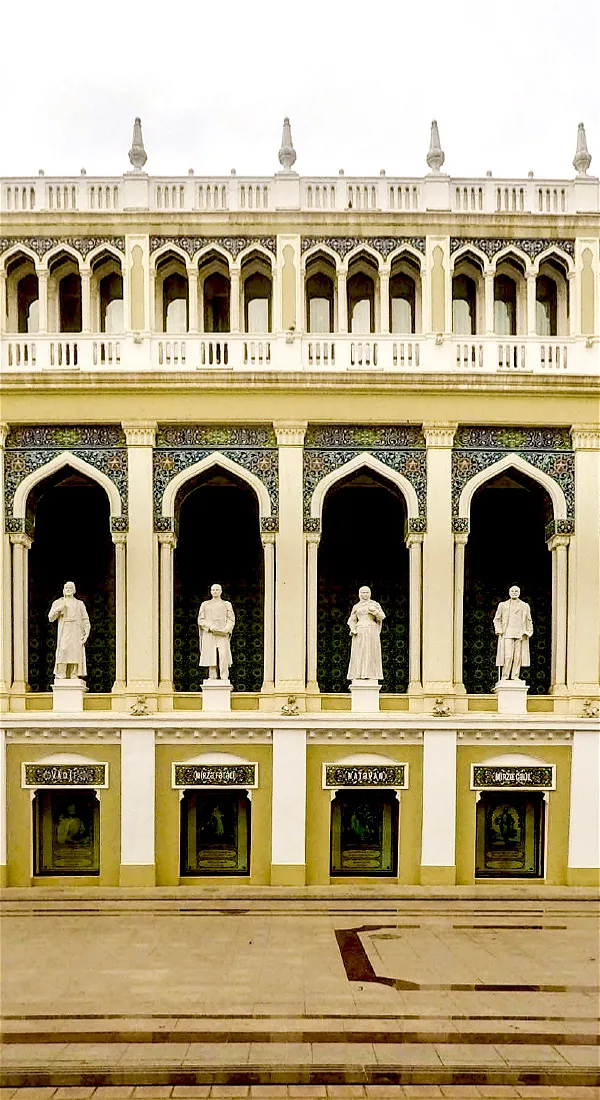
The National Museum of Azerbaijani Literature named after Nizami Ganjavi was established in 1939. The museum was opened to the general public in 1945, and in 2009 the building underwent major renovation.

The museum’s exposition provides information about the historical development of Azerbaijani literature from ancient times to the modern period. The museum displays manuscripts of prominent writers, samples of calligraphy by renowned calligraphers, miniatures created for classical literary works, works of Azerbaijani authors, documentary photographs, examples of folk creativity, a collection of coins from various historical periods, ancient carpets, ceramic and bronze vessels, as well as other monuments of material culture.

Azerbaijan National Carpet Museum

Azerbaijan National Carpet Museum

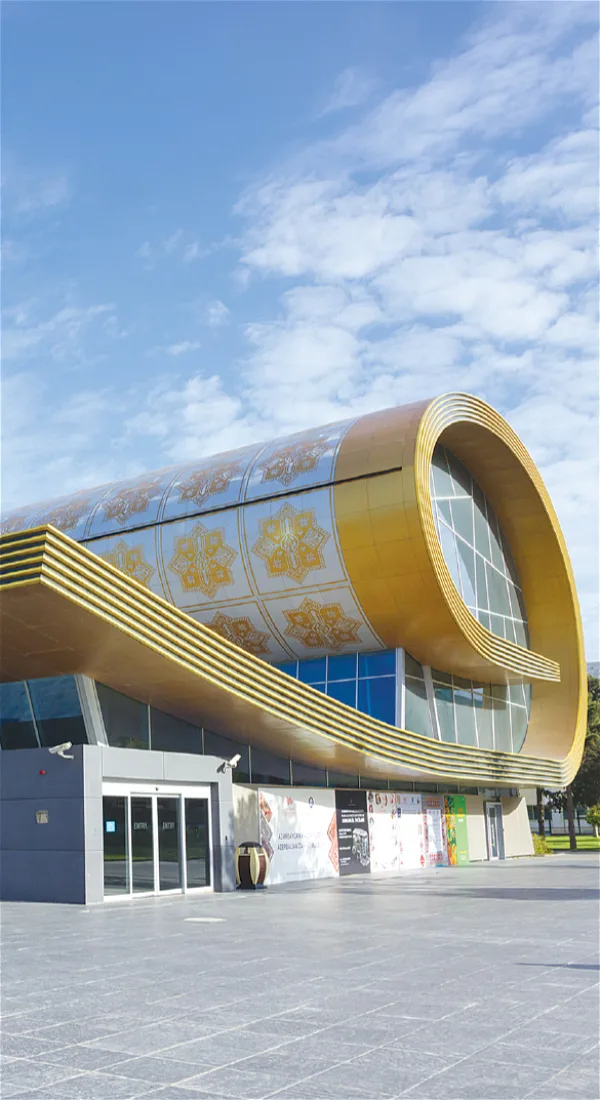
The Azerbaijan National Carpet Museum was established in 1967 and is the world’s first museum specializing in the art of carpet weaving, recognized by UNESCO as part of the Intangible Cultural Heritage of Humanity. Since 2014, this cultural institution has been operating in a new building constructed as a joint project of the Heydar Aliyev Foundation and the Ministry of Culture of the Republic of Azerbaijan. 

The unique building, designed in the shape of a rolled carpet and meeting the modern architectural standards, is located in the territory of the Seaside National Park. The author of this remarkable structure, which fascinates both residents and visitors of the city with its unusual design, is the Austrian architect Franz Janz.

More than 10,000 exhibits are preserved in the museum’s collections, which include “Pile Carpets,” “Flat-Woven Carpets,” “Carpet Products,” “Artistic Metal,” “Ceramics, Glass, Wood and Paper,” “Textiles, Clothing and Embroidery,” and “Jewelry.” These collections contain works created from the Bronze Age to the modern period, with the majority dating from the 17th to the 20th centuries.

The museum regularly organizes numerous workshops and long-term educational clubs aimed at the effective organization of children’s leisure time and increasing their interest in national cultural heritage. Through these activities, children and adolescents learn various carpet-weaving techniques, as well as the structure of carpet compositions and the semantics of traditional patterns through engaging and interactive methods. The museum also implements inclusive programs designed for individuals with visual, hearing, and mobility impairments.

National Museum Of History Of Azerbaijan

National Museum Of History Of Azerbaijan

The National Museum of History of Azerbaijan was established in 1920 and is located in the former residence of one of Azerbaijan’s first philanthropists, Haji Zeynalabdin Taghiyev.

The facade of the museum building is richly decorated with elegant ornamental elements and patterns, while its interior reflects the artistic and craftsmanship traditions of the period. In addition to being the residence of Taghiyev, the building represents a significant source of historical and cultural heritage for Azerbaijan.

The museum displays more than 300,000 exhibits reflecting the history of Azerbaijan from ancient times to the modern era. Its collection includes archaeological discoveries dating back to the Stone Age, weapons, works of art, national costumes, ethnographic materials, and ancient manuscripts. The exhibitions demonstrate the historical development stages of the Azerbaijani people, their cultural heritage, and the most significant examples of national culture.

The museum also houses artworks, coins, household items, manuscripts, and religious artifacts representing medieval Azerbaijani culture and history. Particularly noteworthy are the examples of Azerbaijan’s rich carpet-weaving tradition, as well as ancient musical instruments and textile art exhibits. Sections dedicated to the modern period of Azerbaijani history display documents and photographs from the 19th–20th centuries, along with materials reflecting the socio-political life of the Azerbaijani people. The final section of the museum presents exhibits related to the history of modern Azerbaijan and the period of independence.


Azerbaijan National Museum Of Art

Azerbaijan National Museum Of Art

The Azerbaijan National Museum of Art is one of the country’s leading cultural institutions. The history of the museum dates back to 1920, when the fine arts department was established within the Azerbaijan State Museum. In 1936, the Azerbaijan State Museum of Art was founded on the basis of this department.

The museum operates in two historic architectural monuments located in the center of Baku — the buildings of the “Lev de Burun Palace” and the “Mariinsky Women’s Gymnasium.” Constructed in the late 19th century, these buildings played a significant role in shaping the architectural appearance of the city of Baku. In 2013, both buildings were connected by a modern glass-and-steel passage, creating a unified museum complex. The new wing primarily hosts exhibitions of contemporary art.

The museum fund, which includes collections of painting, graphics, sculpture, embroidery, metalwork, and archaeological ceramics and porcelain, preserves more than 18,000 exhibits. Alongside works reflecting various historical stages of Azerbaijani art — including painting, graphics, sculpture, and decorative-applied arts — the collection also contains rare examples of Western European, Eastern, and Russian art. The museum possesses a rich collection of Western European paintings dating from the 16th to 19th centuries as well as works of Russian avant-garde art.

Azerbaijan State Academic Opera and Ballet Theatre

Azerbaijan State Academic Opera and Ballet Theatre

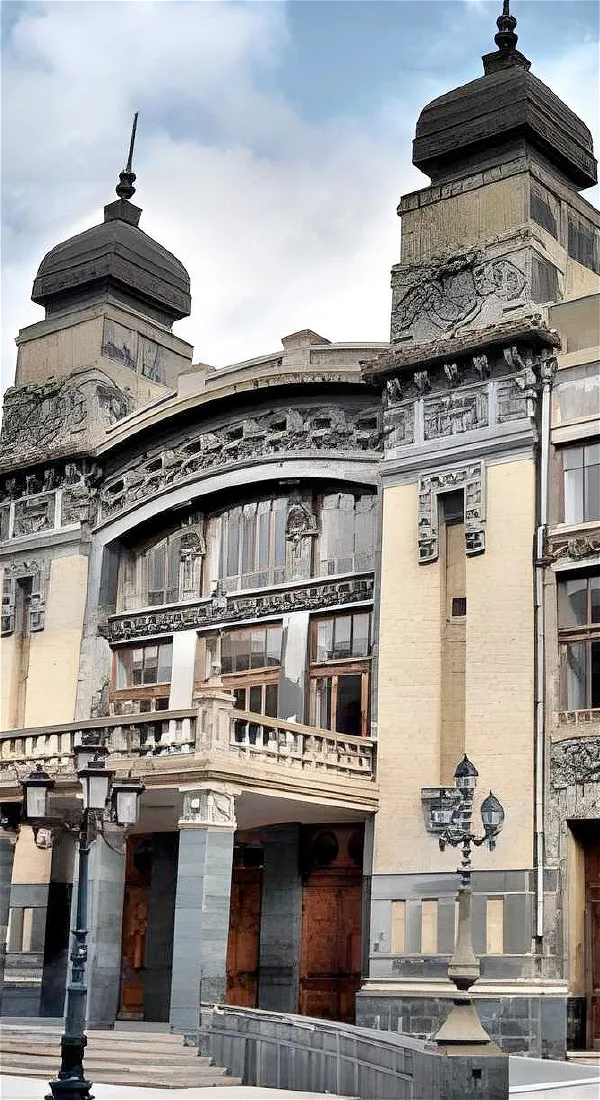
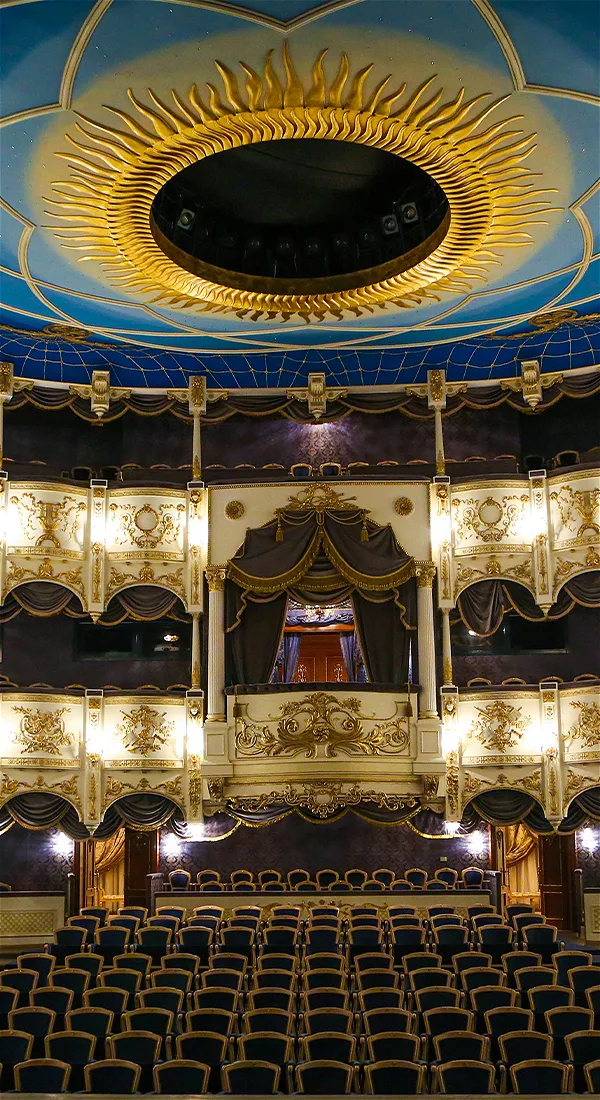
Located on Nizami Street, this striking landmark blends elements of Baroque, Rococo and Andalusian architecture. Built in 1911 by the Mayilov brothers, the building has a colourful backstory: it was completed in just ten months after one of the brothers fell in love with a touring soprano who declined to return to Baku, citing the lack of a suitable opera house.

Today, audiences can enjoy classic Azerbaijani masterpieces such as Leyli and Majnun, Shah Ismayil, Arshin Mal Alan (The Cloth Peddler) and Koroghlu, alongside a varied repertoire of international opera and ballet performances.  

Azerbaijan State Academic Philharmonic Hall

Azerbaijan State Academic Philharmonic Hall

Nestled within the Philharmonic Garden, this elegant pale-yellow building reflects strong European architectural influences, most notably the celebrated Monte Carlo Casino. Built between 1910 and 1912, at the height of Baku’s oil boom, it was originally conceived as a refined social retreat for the city’s elite. Following 1920, the venue became home to local musical ensembles and orchestras, and since 1936 it has served as the Philharmonic Hall.

Today, it continues to host regular concerts and remains one of the city’s most distinguished settings for experiencing both national and classical Azerbaijani music.

Azerbaijan State Academic Musical Theatre

Azerbaijan State Academic Musical Theatre

Situated in the very heart of Baku and overlooking the Boulevard, this historic building has been an integral part of Azerbaijan’s cultural life since the late 19th century. Reconstructed between 2011 and 2013, the theatre embodies three distinct eras of the country’s musical movement — spanning the pre-Soviet period, the Soviet years and the post-1991 era of independence.

In 1910, Uzeyir Hajibeyli staged his operetta Husband and Wife, written in 1909, laying the foundations of musical theatre in Azerbaijan. From its earliest days to the present, the theatre has nurtured many prominent artists. Today, visitors can enjoy both contemporary and traditional Azerbaijani musical productions, as well as the building’s refined interior.

International Mugham Centre

International Mugham Centre

The roots of mugham run deep into the rich traditions of Eastern musical culture. This distinctive genre has been passed down through the centuries, preserved as a treasured artistic legacy from one generation to the next. Recognised by UNESCO in 2003 as a Masterpiece of the Oral and Intangible Heritage of Humanity and inscribed in 2008 on the Representative List of the Intangible Cultural Heritage of Humanity, mugham’s significance is acknowledged worldwide, with Azerbaijan widely regarded as its cradle. This recognition reflects not only its historical importance, but also its enduring influence on the country’s cultural landscape today.

In Azerbaijan, the mugham tradition has been further enriched by music festivals held in Karabakh, particularly in Shusha, across different periods. These gatherings served as vibrant creative forums where poets, musicians and intellectuals came together to explore the subtle intricacies of the art form.